Bromley Council Permits for Street Loading in Aperfield
Posted on 26/06/2026
Bromley Council Permits for Street Loading in Aperfield: A Practical Guide for Moves, Deliveries and Tight Access
If you're planning a move, a bulky delivery, or a timed loading stop in Aperfield, the question usually comes up fast: do you need a Bromley Council permit for street loading, or can you just pull up, load, and go? In real life, that answer depends on where you park, how long you stay, what type of road you're on, and whether your vehicle is causing an obstruction. This guide breaks it down in plain English so you can plan properly, avoid avoidable stress, and keep your day moving.
Street loading sounds simple until you are there at 8:15 on a damp weekday morning, the van is half on the kerb, your sofa is still in the hallway, and a neighbour is waiting to get out. Let's face it, those little details matter. In this article, you'll find a clear explanation of how street loading permits work in and around Aperfield, when they matter most, common mistakes to avoid, and a practical checklist you can actually use.
Why Bromley Council Permits for Street Loading in Aperfield Matters
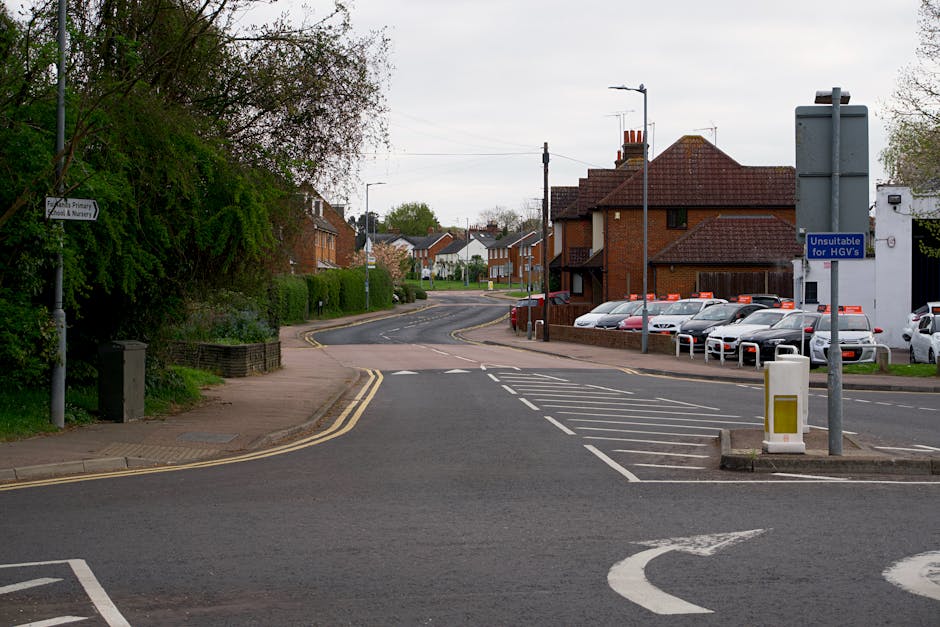
Aperfield is not the kind of place where "I'll just stop anywhere for five minutes" always works out cleanly. Roads can be narrow, kerbs can be awkward, visibility can be limited, and even a short stop can create friction if the vehicle blocks traffic, pedestrians, driveways, or sightlines. A loading permit, dispensation, or agreed parking arrangement helps you reduce that risk.
For anyone organising a house move, office move, furniture delivery, or item collection, the permit question matters because loading is often the most time-sensitive part of the job. A delay at the kerb can cascade into missed lift bookings, upset neighbours, extra labour time, or a rushed carry that becomes unsafe. If you've ever stood in the road holding a mattress while someone shouts, "Can you move the van?" you'll know the feeling.
There is also a trust angle here. When you understand the local rules, you look more organised, less reactive, and far more likely to have a smoother day. That matters whether you are moving a flat, dealing with a period home with tight access, or arranging a one-off bulky item pickup. For broader move planning, many people also find it useful to read top packing strategies for a house move and pre-move decluttering tips before the loading day arrives.
How Bromley Council Permits for Street Loading in Aperfield Works
In simple terms, street loading permission is about whether you are allowed to stop a vehicle on the road, or in a restricted parking area, long enough to load or unload items. The exact process can vary depending on the street, the restriction in place, and the nature of the stop. In some situations, you may need a formal permit or dispensation. In others, you may be able to load briefly within normal parking rules. The important thing is not to assume.
Here is the practical version. If your van is going to be on a road where stopping is restricted, or if your loading activity may affect traffic flow, you should check the local rules in advance. If the job is large, if the access is tight, or if you need more time than a quick drop-off, planning becomes even more valuable. That is especially true when you are handling heavy items or awkward furniture. A good rule of thumb is this: the more the job looks like a proper move rather than a quick parcel drop, the more you should plan around permissions.
Some moves can be done efficiently with a man and van setup, while larger properties may need a full removal team and a better-managed loading plan. If you are comparing options, it helps to look at the wider service picture on services overview and man with a van in Aperfield so you can match the vehicle and crew to the access you actually have.
One thing people often miss: loading permission is only one part of the puzzle. You still need to think about safe carrying, route planning, time windows, building access, and whether the vehicle can physically get close enough without blocking a junction or driveway. Street loading is never just about a permit. It is about getting the whole movement sequence right.
Key Benefits and Practical Advantages
Getting the parking and loading side sorted early gives you a surprisingly long list of benefits. It sounds dull at first, but it really does shape the whole day.
- Less risk of delays: You are not improvising at the curb while the clock ticks.
- Smoother access: The van can sit as close as possible to the property, which reduces carry distance.
- Lower safety risk: Fewer long carries mean less strain and fewer awkward trips with bulky items.
- Better neighbour relations: You are less likely to block driveways or create a scene.
- Cleaner scheduling: Movers, cleaners, landlords, and building managers all get a clearer plan.
There is also a commercial benefit if you are a business or landlord arranging deliveries. A controlled loading stop protects your schedule and helps the job run to time. Even for private homeowners, that can mean the difference between a calm start and a chaotic one. You do not need to love paperwork to appreciate the result.
For heavier items, a tight loading plan works hand in hand with safe handling. If your move includes awkward furniture, a piano, or a bed frame, take a look at safe heavy lifting tips, piano removals in Aperfield, and bed and mattress transport advice. The loading point and the lifting method should always be planned together.
Who This Is For and When It Makes Sense
Bromley Council permits for street loading in Aperfield are most relevant for anyone who needs to stop a vehicle on or near the road while moving goods. That includes more people than you might expect.
- Homeowners moving house
- Tenants leaving a flat or rented property
- Students moving in or out of shared accommodation
- Offices clearing furniture or equipment
- People collecting bulky second-hand items
- Families disposing of large furniture
- Residents using a man and van or rental van for a same-day move
It makes sense whenever the stopping place is not straightforward. For example, if you live on a lane with limited passing room, if the nearest legal bay is far from the door, or if your van must remain in one place while several heavy loads are moved. It can also be relevant in flat moves where access is awkward and every minute counts. A lot of readers find the local context in staircase and narrow hall move tips and tight access home advice especially useful here.
Truth be told, if your move is tiny and the van is parked well away from traffic, you may not need anything formal. But once the loading operation starts affecting the street, the rules matter. That is the line to watch.
Step-by-Step Guidance
Here is a practical approach that keeps things tidy and reduces the chance of a last-minute scramble.
- Assess the load
Make a rough list of what is being moved. A few boxes are one thing; a sofa, wardrobe, and washing machine are another. The more bulky the load, the more you should think about access and stopping space. - Check the street conditions
Look at where the van would stop, whether there are restrictions, how wide the road is, and whether other vehicles need regular access. If there is a yellow line, a narrow carriageway, or a tricky corner, plan carefully. - Decide whether loading permission is needed
If the stop will be brief and the vehicle is not causing an issue, formal permission may not be necessary. If the stop is longer, more disruptive, or in a restricted area, you may need to arrange something in advance. - Build your loading window
Do not leave loading as a vague "morning sometime" task. Give yourself a real window. Ten minutes here and there sounds fine until the kettle, keys, and mattress all end up in the wrong place at once. - Plan the carry route
Walk the route from the property to the van. Check steps, kerbs, door width, low walls, and blind corners. The shortest route is not always the safest one. - Prepare your team and equipment
Use trolleys, straps, blankets, gloves, and the right footwear. If you are moving fragile or awkward furniture, make sure the protection is in place before anything leaves the building. - Keep documents and timing clear
If a permit, dispensation, or booking confirmation is involved, keep it handy. One misplaced email can cause silly delays. Not glamorous, but true. - Review once the vehicle is parked
Check that the van is positioned safely and that loading can happen without blocking access or creating unnecessary risk.
If you are short on time, a same-day move may still be possible, but it demands tighter coordination. That is where same-day removals in Aperfield can be a practical fallback when the schedule gets messy.
Expert Tips for Better Results
In our experience, the best loading days are the ones where the smallest details were decided beforehand. Nothing dramatic, just steady preparation.
First, keep the van close, but not reckless. Drivers sometimes try to squeeze in as near as possible and end up creating a worse problem. A slightly longer carry can be safer than a poor parking angle. You want efficient, not heroic.
Second, do the "last metre" test. Stand at the front door and imagine carrying the biggest item all the way to the van. Are there bin bags, parked cars, loose gravel, or a step that will catch the wheel of a trolley? That last metre often decides whether the whole thing feels easy or awful.
Third, keep the order of loading sensible. Load the hardest items first if space and access allow. Then fill around them with boxes and lighter items. If you bury the heavy item behind everything else, the entire van becomes a puzzle.
Fourth, protect the item and the people. A lot of damage happens not during transit but while lifting and turning at the kerb. For furniture, the right wrapping matters; for sensitive items, use extra care. If you are moving sofas or storage pieces, the article on furniture removals in Aperfield is a useful companion piece.
Fifth, think about the weather. A wet afternoon makes steps slick and cardboard weaker. A cold morning can make hands clumsy. A loading plan that works perfectly in dry daylight can feel very different in November drizzle. It's a small thing, but not really small at all.
Sixth, don't overpack the day. If the permit or loading stop is time-sensitive, leave margin for parking, walking back for forgotten items, and dealing with one awkward object that refuses to cooperate. There's always one.
Common Mistakes to Avoid
Most problems with street loading are not dramatic legal disasters. They are ordinary oversights that snowball.
- Assuming a short stop is always fine: Even a few minutes can matter if you are in a restricted bay or narrow street.
- Leaving permit checks until the morning of the move: That turns a manageable task into a rushed one.
- Parking too far from the property: Longer carries mean more fatigue and more chance of damage.
- Forgetting about neighbours and access: Driveway access, school runs, bin collection, and emergency turning space all matter.
- Trying to move too much at once: The "one more box" habit is how people end up with jams in doorways and a very tired back.
- Using the wrong vehicle size: Too small and you need extra trips; too large and you may struggle with access.
Another mistake is treating loading as separate from packing. In reality, they are joined at the hip. Good packing makes loading safer and faster. If you want a calmer move overall, see how to create a calmer moving day and how to finish with a thorough house cleanup. A move that ends cleanly usually started with better planning.
Tools, Resources and Recommendations
You do not need a huge kit, but a few things make a serious difference.
- Measuring tape: Helpful for checking furniture, doorways, and van access.
- Furniture blankets and wraps: Especially useful for anything with corners, glass, or polished surfaces.
- Straps and trolleys: Reduce strain and help keep movement controlled.
- Marker pens and labels: Make loading and unloading quicker, especially on larger jobs.
- Phone notes or a simple loading plan: Not fancy, just effective.
- Gloves and sensible footwear: Basic, but easy to forget when the day gets busy.
For smaller or mid-size moves, many people also use a van hire or man-and-van arrangement rather than a full removals crew. If you are comparing options, look at man and van in Aperfield, removal van hire, and removals in Aperfield to judge what suits the load and the access conditions best.
For storage between collection and delivery, or if the permit timing means you need to split the move, storage in Aperfield can be a sensible bridge rather than forcing everything into one frantic day.
Law, Compliance, Standards, or Best Practice
For street loading, the safest approach is to treat local parking restrictions seriously and to avoid guessing. Council-controlled roads may have waiting restrictions, loading limits, yellow lines, permit bays, or time-based rules. The detail matters, and if you are not sure, it is better to check the local authority position than to risk a fine, a complaint, or a blocked access issue.
Best practice is straightforward:
- Do not block driveways, crossings, junctions, or pedestrian routes.
- Keep the loading period as short as reasonably possible.
- Use appropriate signs or notices only where permitted and relevant.
- Make sure the vehicle is left safely and can be removed quickly if needed.
- Use safe lifting methods and do not create a hazard on the footway.
From a business perspective, it is also sensible to document the plan, especially if multiple people, buildings, or time windows are involved. That is part of good operational housekeeping, not red tape for the sake of it. For extra confidence around safety and handling standards, the pages on insurance and safety and health and safety policy are worth a look.
One more practical point: if you are dealing with a period property or a location with particularly limited access, care needs to go beyond parking. Protect the building fabric, watch corners and stair rails, and avoid damage to floors or walls. The guide on protecting period homes during moves fits neatly here.
Options, Methods, or Comparison Table
Not every loading situation needs the same solution. Here's a useful comparison to help you choose the right approach.
| Approach | Best for | Pros | Limitations |
|---|---|---|---|
| Brief curbside loading without a formal permit | Small loads, low-impact stops, straightforward roads | Quick, simple, no extra admin in some cases | Only suitable where restrictions do not apply |
| Permit or dispensation arranged in advance | Restricted streets, longer jobs, larger moves | Clearer legal footing, less risk of disruption | Requires planning and may involve conditions |
| Parking further away and carrying the load | Areas where stopping close by is not practical | Can avoid parking restrictions | More labour, more time, more physical strain |
| Using a larger move team with better access planning | Complex house moves, furniture-heavy jobs, tight access | More efficient loading and safer handling | Usually more coordination needed up front |
For many Aperfield moves, the best answer is not "one single method" but a mix of the above. For example, a flat move might use a small van, a short loading window, and a pre-cleared hallway route. A furniture delivery might need a permit and a two-person carry. Context matters more than labels.
Case Study or Real-World Example
Here is a realistic example based on the sort of situation people run into all the time in Aperfield.
A family is moving out of a semi-detached property with a long oak table, a sofa, and several boxes. The road is quiet, but not especially wide. A van can stop close to the house for a short period, yet leaving it there too long would make it awkward for neighbours and could slow traffic if another car comes through. Rather than guessing on the day, the family checks the loading plan in advance, prepares everything in labelled rooms, and lines up the heaviest items by the front door the evening before.
The difference is immediate. The van arrives, the first carry is direct, and nobody is hunting for screws or trailing back upstairs for "just one more lamp". The driver can position the van safely, the loading sequence is calm, and the move finishes without that frantic mid-morning panic where everyone starts talking over each other. Nothing magical happened. The job was just planned properly.
That same approach works for office furniture, student moves, and single-item deliveries too. If the move is urgent, the preparation gets even more important. For time-pressured situations, urgent same-day moves in Aperfield is a helpful read, and if bulky items need to be removed after the move, bulky furniture disposal options in Aperfield can help you plan the follow-up.
Practical Checklist
Use this before loading day. It keeps things simple.
- Confirm whether the stop location has any parking or loading restriction
- Decide if a permit, dispensation, or special arrangement is needed
- Measure large furniture, doorways, and clearances
- Book the vehicle size that matches the load
- Prepare labels, tape, wraps, and protective blankets
- Keep the loading route clear inside the property
- Move fragile, heavy, or awkward items first to the front of the queue
- Check weather conditions and plan for wet or slippery surfaces
- Keep parking confirmation or permission details accessible
- Leave a little time buffer. Always. It helps more than people expect.
If you are packing from scratch, the guides on packing and boxes in Aperfield and storing a sofa properly are useful support reads for protecting your items before they hit the van.
Conclusion
Bromley Council permits for street loading in Aperfield are really about one thing: making a moving day or delivery day work without unnecessary friction. When you plan the stop properly, understand the local restrictions, and line up the loading route with the vehicle and the job, the whole process becomes less stressful and much safer. That is true whether you are moving one awkward wardrobe or an entire household.
The best outcomes usually come from simple habits: check before you stop, keep the loading period efficient, protect the items, and leave enough room for the unexpected. Not glamorous. Very effective. And usually much cheaper than sorting out a rushed mistake later.
If you are preparing a move in Aperfield and want a smoother, more organised experience from the first box to the final unload, take the time to plan the loading side properly. It pays off more than most people realise, and it gives you one less thing to worry about on the day.
Get a free quote today and see how much you can save.