Man with van in Aperfield for house moves, furniture pick-up and straightforward local removals

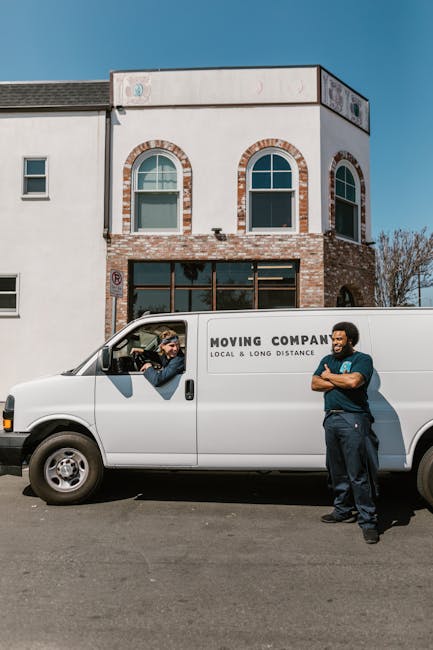
Our man with van service in Aperfield is built for practical moving tasks where a full-scale removal lorry is more than you need. We help with house moves, single-item collections, furniture pick-up and other smaller relocation jobs, keeping the work focused, organised and suited to the load in front of us. If you need a simple way to move belongings without overcomplicating the process, this service gives you a clear starting point.
We handle jobs that benefit from flexible loading, careful carrying and a vehicle sized for mixed household or office items. That includes furniture, boxed possessions, appliances that are safe and ready to move, and other items that need sensible handling rather than hurried lifting. The aim is to provide a service that feels straightforward and usable, with enough structure to keep the move under control and enough flexibility to suit what you actually need to transport.
For a quicker response, it helps to have a simple list of what needs moving and where it is going. If there are awkward access points, stairs, tight corners or heavy pieces, mention them early so the job can be planned realistically. You can request a quotation once the basics are clear, and if you are comparing options, take a moment to see how the service matches your own moving plan.
House moves and smaller domestic removals

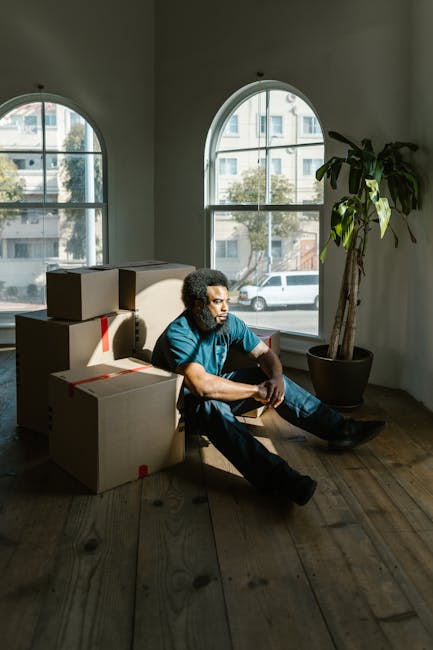
House moves with a man and van are often chosen when the move is local, the volume is moderate, or the contents are spread across only a few rooms. We can support moves from flats, houses, shared accommodation and smaller properties where the work still needs proper care, but not the scale of a large removal operation. The focus is on sensible loading, secure transport and a direct approach that suits domestic belongings.
Where a home move is involved, it is often useful to separate the contents into groups before moving day: furniture, boxes, soft items, fragile pieces and anything needing extra handling. That makes it easier to work out how the load should be arranged and whether anything needs to travel separately. It also helps to decide what should be dismantled, protected or kept accessible during the move. If you are planning a domestic relocation, clear categories make the job easier to discuss and price.
What a domestic van move can cover
A domestic removal by van can suit a one-bedroom flat, a partial house move, or the transport of selected rooms when you do not want to move everything in one go. It can also work well for students, renters, landlords arranging returned items, or families moving furniture between addresses. The key is that the load is suited to the vehicle and can be handled safely within the available access at both ends.
Furniture pick-up and single-item transport

Furniture pick-up is a useful option when you have bought, sold, inherited or rearranged a single item or a small group of pieces. We can collect beds, tables, wardrobes, chests, chairs and similar items that require more than a car boot but less than a full removals team. This kind of work is often about timing, access and careful handling rather than distance, so a van-based service is often the most practical choice.
Single-item transport also suits situations where you need something moved quickly between a shop, home, storage space or another property. The item may be bulky but not especially complex, or it may need protecting from knocks on the way to its destination. If an item can be dismantled safely, that may reduce handling difficulty; if it cannot, then the collection plan should reflect its size and weight. We keep the focus on moving the item neatly rather than making assumptions about how easy it will be.
A short written list can be very helpful here: item dimensions if you know them, whether it can be lifted by two people, and whether there are stairs or long carries involved. That information helps determine whether a standard van move is enough or whether the job needs a little more planning. It is usually better to set expectations clearly than to rely on guesswork, especially with furniture that is valuable, awkward or fragile.
Packing support and careful handling
Some moves need more than transport. Packing and unpacking support can make a practical difference when the load contains breakables, mixed household items or awkward contents that do not stack neatly. We can assist with preparing items for the journey, using sensible packing methods and keeping similar items together so unloading is simpler at the other end. The right amount of preparation often helps the move go more smoothly.
Good packing is not just about filling boxes. It also involves choosing suitable materials, protecting surfaces, and keeping heavier items from damaging lighter ones. Clothes, books, kitchenware and ornaments each benefit from a different approach, and mixed loads are easier to move when packed with care rather than speed. Careful packing reduces unnecessary movement in transit and makes it easier to place items where they belong after arrival.
Where unpacking is included, the work can be kept practical and tidy: opening boxes, grouping contents by room and placing items in a sensible order for the next stage of the move. That can be useful for people who want a gentler transition rather than a rush to empty everything at once. If you are requesting help with both moving and packing, it is best to say which items need attention first and which can remain packed until later.
Office removals and business move support
Our man with van service is also suitable for small office removals and business move tasks where the main requirement is organised transport. That may include desks, office chairs, boxed files, small storage units, IT peripherals and other non-specialist equipment that can be moved without a large fleet. For compact workplaces, a van-based move can be a neat way to relocate the essentials while keeping disruption manageable.
Business moves often work best when items are grouped by function and destination. Equipment for one room, files for another and furniture for reception or workstations can each be loaded in an order that makes unloading more efficient. If there is a limited window to move items, the load plan should reflect what must be taken first and what can travel later. The service is intended to be adaptable, not rigid.
Office removals can also include the movement of surplus desks or furniture that no longer fits the new layout. In that case, the move may be about redistribution rather than relocation alone. A sensible plan for business transport usually starts with a clear inventory and ends with items delivered in a way that helps the workplace resume normal use with minimal fuss.
About Aperfield

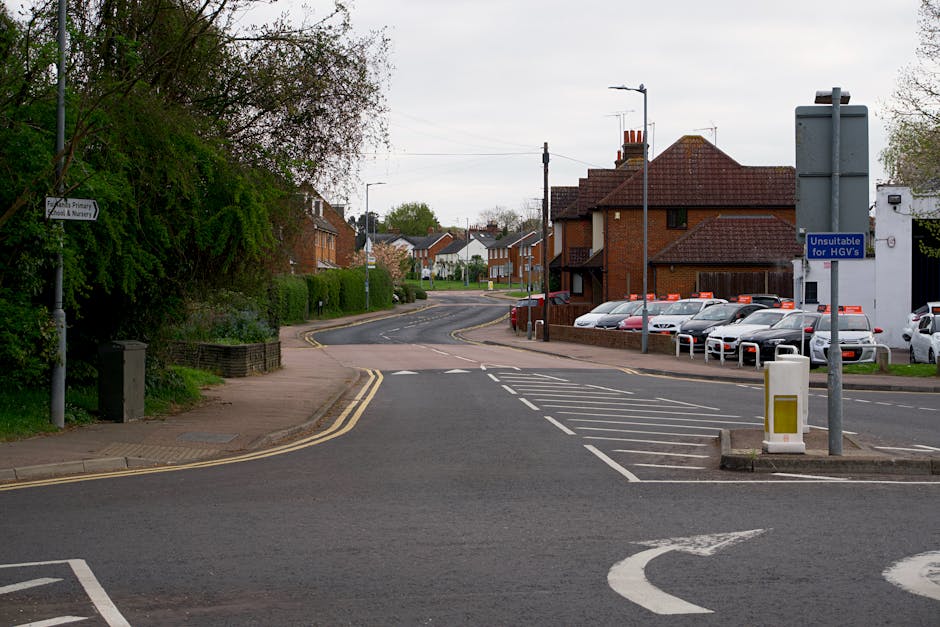
Aperfield is a small village in the London Borough of Bromley, set in the far south-east of Greater London near the Kent border. It is known for its rural character, open landscapes and scattered settlement pattern rather than a dense urban centre. The area sits within the North Downs landscape, and much of its appeal comes from the contrast between its quiet lanes, fields and woodland edges and the larger suburbs and towns that surround it. Historically, Aperfield was one of a group of detached or irregular parts of the ancient parish of St Mary Cray, and its name survives as a reminder of older patterns of land ownership and local administration. The village is close to Biggin Hill, one of the best-known nearby places, and lies within reach of the wider Bromley and Orpington area. The surrounding countryside includes sections of farmland and tree-lined routes that give the locality a distinctly semi-rural feel. Walking routes, equestrian activity and the general openness of the landscape are part of what define the place today. Although Aperfield is small, it forms part of a wider historic and geographic setting that includes former manor lands, long-established parish boundaries and the outer edge of London’s built-up area. That mix of rural identity and administrative connection makes it a distinctive part of the borough, with a local character shaped more by landscape than by commercial development.
How pricing is usually worked out
Pricing for a man with van move depends on the amount to be carried, the time needed, and the practical details of access at each location. A short collection from an easy ground-floor pick-up will usually involve a different level of planning from a move with stairs, narrow hallways, parking limits or multiple drop-off points. The type of items also matters, especially where furniture is bulky, fragile or awkward to load. Clear information helps the quotation reflect the real job rather than a rough assumption.
It can be useful to think about price in terms of work rather than distance alone. For example, one van load of furniture, a few boxed items and a mattress may be straightforward, while a similar-sized load that requires dismantling, wrapping or extra carrying time is more involved. If there are access restrictions, parking challenges or items needing careful placement, mention them in the enquiry. That way the quote can be based on the actual tasks involved, not just the postcode.
When you are ready, a simple summary is enough to start the conversation: what needs moving, from where, to where, and whether any pieces need special handling. If you are comparing options, keep the discussion focused on the load and the access. See our pricing and quotes page for the next step, or ask for a quotation once you know the main details.
Removals for local households and mixed loads
Some customers need a local removal rather than a single-item move, but still prefer a service that stays light on complexity. Mixed loads can include furniture, boxes, small appliances and personal items from more than one room, all moved together in a way that keeps the day manageable. A van-based removal is often suitable when the total load is moderate and the route is uncomplicated, especially if the aim is to move efficiently without overbooking capacity.
For mixed loads, planning the order of items is important. Heavier pieces should usually be loaded in a stable position, with lighter or more fragile items arranged so they are not crushed or shifted during transport. Items that belong in the same room can be grouped together, which makes unloading simpler and reduces confusion at the destination. This kind of removal benefits from a calm, practical approach rather than a rushed one.
If you are organising a move with a few different categories of belongings, it helps to decide what is going, what is being kept, and what should stay behind before moving day. That makes the job easier to estimate and helps avoid unnecessary lifting. A clear plan usually leads to a cleaner, more efficient move and a better use of the van space available.
Vehicle size, loading and access
Choosing the right moving van is an important part of any man and van job. Too little space creates extra trips; too much can be unnecessary for a modest load. The aim is to match the vehicle to the amount and shape of what needs moving, while keeping loading sensible and safe. That balance is especially useful for local jobs, where the practical details often matter more than the headline distance.
Access is another key factor. Parking close to the property, having enough room to manoeuvre furniture, and knowing whether lifts or stairs are involved all help determine how the move should be organised. Items that are awkward to carry may need extra care at narrow points or on stairs, and long carries from the property to the van can affect the time needed. Good planning keeps these details from becoming surprises on the day.
- Tell us what is moving and roughly how much there is.
- Mention any items that need dismantling or protective wrapping.
- Include access details such as stairs, lifts, parking or long carries.
Useful choices for home, storage and small business moves
A van-based removal can be used for a range of common moving situations, not only complete house moves. It is often suitable for taking items into storage, moving things out of storage, relocating parts of a home after refurbishment, or carrying selected business items between sites. Because the work is flexible, it can be adapted to the quantity and type of goods involved rather than forcing the job into a larger format than necessary.
That flexibility is helpful when the move has a clear purpose but does not justify a full removal package. A few items of office furniture, a bedroom’s worth of domestic belongings, or a mix of household pieces and boxed stock can often travel together in one organised load. The service is designed to be practical, with attention to what is easiest to load, safest to carry and simplest to deliver.
For best results, think about the move in terms of separate groups: items that are ready to go, items that need wrapping, and items that may need dismantling first. That structure keeps the work efficient and helps everyone understand what is expected. If you want a clearer route to the next step, keep the summary short and factual, then ask for a quotation in the way that suits you best.
Get started with a clear moving plan
Good moving plans are usually simple. Start with the main items, add any awkward pieces, and note whether the collection or delivery point has anything unusual about access. That information is enough to shape a practical response and avoid confusion later. If you are arranging a household move, a furniture collection or a small office relocation, keeping the brief concise makes the process more manageable.
If you are unsure whether your load is better suited to a man with van service or a larger removal arrangement, it is better to describe the items than to make assumptions. A sensible review of the contents can show whether the job is mainly about transport, careful carrying, or a mix of both. The clearer the description, the easier it is to match the service to the move without unnecessary extras.
To request a quotation, send the basic details of the move and mention anything that needs special attention. We can then consider the load, the access and the best way to handle the job. Ask for a quotation when you are ready to move forward.