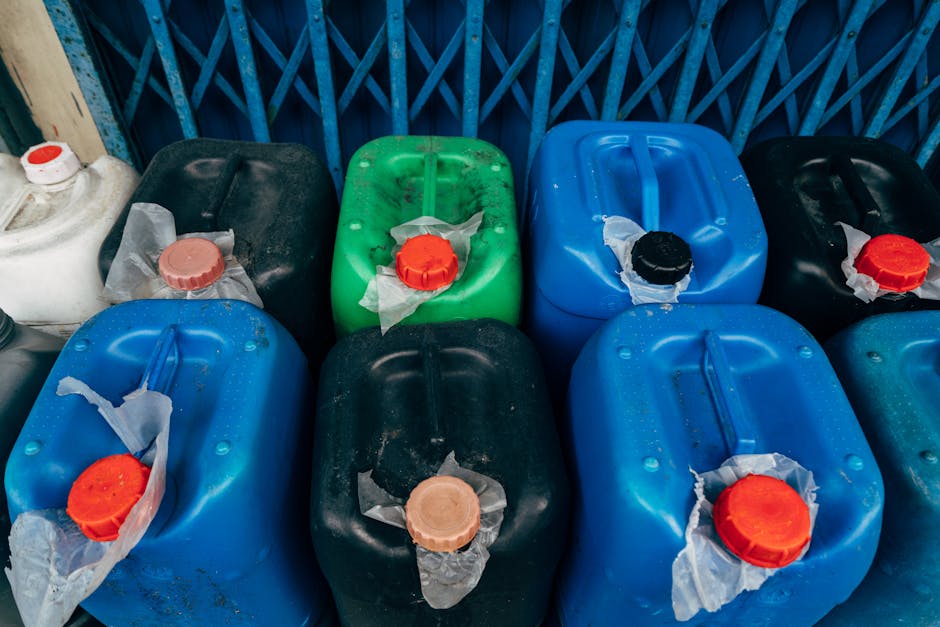
Hazardous Waste Rules for Aperfield Residents Explained
Posted on 07/07/2026
If you have ever stood in the kitchen with an old paint tin, a half-used bottle of bleach, or a dead car battery and thought, "Right... what exactly am I supposed to do with this?", you are not alone. Hazardous waste rules can feel awkward, a bit formal, and honestly a little confusing when you just want the stuff gone safely. This guide to Hazardous Waste Rules for Aperfield Residents Explained breaks everything down in clear, practical terms so you know what counts, what not to mix, how to store it, and how to avoid the common mistakes that create risk at home.
We will keep this local and useful. You will get a simple walkthrough of the rules, the logic behind them, and the best way to handle hazardous items without making a mess of the loft, shed, or hallway. If you are also in the middle of a bigger move or clear-out, you may find it helpful to look at decluttering advice before a house move and tips for a thorough house cleanup too. Little things make a difference here.
Expert summary: hazardous waste is not just "rubbish you do not want." It is material that needs careful storage, separation, and disposal because it can harm people, property, or the environment if handled badly.
Before we get into the details, one small but important point: the exact collection, drop-off, and acceptance rules can vary depending on the item and local arrangements. So the best approach is always to treat hazardous materials cautiously, follow recognised UK best practice, and check the current local process before you move anything out of the house. Sounds a bit dull, but it saves headaches.

Why Hazardous Waste Rules for Aperfield Residents Explained Matters
Hazardous waste rules matter because this kind of material behaves differently from ordinary household waste. A normal bin bag full of cardboard or old packaging is one thing. A bag with solvent, pesticide residue, batteries, aerosol cans, or a leaking fluorescent tube is quite another. It can leak, fume, ignite, corrode, or contaminate other waste if it is left unchecked.
For Aperfield residents, the issue usually shows up during real life moments: a garage clear-out, a spring clean, the end of a tenancy, or the chaotic final week before moving. That is when dangerous items suddenly appear from under sinks, in sheds, or at the back of cupboards. To be fair, most people do not spend their evenings thinking about hazard labels. You only notice them when you are already halfway through sorting the house.
There is also a wider practical reason. Incorrect disposal can create avoidable risk for anyone who handles your waste later, including neighbours, household members, and collection crews. If a container is not sealed, marked, or separated correctly, the problem can spread fast. A tiny leak in a box of mixed rubbish is often enough to ruin the lot.
If your clear-out is part of a larger move, it can help to plan it alongside your packing and loading schedule. A sensible route is to handle hazardous items first, then use better packing methods during a house move so you are not boxing them with everyday belongings by mistake. That one adjustment can make the whole process calmer.
How Hazardous Waste Rules for Aperfield Residents Explained Works
At a practical level, hazardous waste rules work on three simple ideas: identify, separate, and dispose properly. The categories may sound formal, but the logic is straightforward.
1. Identify what is hazardous
Look at the label, the container, and the condition of the item. If it is flammable, corrosive, toxic, reactive, pressurised, or contains chemicals that should not go in general waste, treat it as hazardous. Common examples include paint, paint thinners, bleach, ammonia-based cleaners, pesticides, motor oil, batteries, gas canisters, fluorescent tubes, and some electrical items with chemicals inside them.
2. Keep it separate
Do not tip different chemicals into one bottle just to "make it easier." That is where people get into trouble. Even a small amount of the wrong liquid can react with another product. A bleach-and-ammonia mix is the classic bad idea, and it is not worth testing in a home setting. Keep items in their original containers where possible, with lids tightly closed and labels intact.
3. Arrange the right disposal route
Depending on the item, the practical route might be a local household waste service, a specialist collection, a designated drop-off point, or a licensed waste carrier. The right answer depends on the item type and quantity. Some things, like a single battery or an aerosol, may be treated differently from a full stack of old paint tins after a renovation.
In a busy household, one of the easiest mistakes is blending hazardous waste into a normal sort-out pile. If you are also clearing out bulky or awkward items, it may help to plan the rest of the job around local bulky furniture disposal options so the hazardous bits do not end up buried at the bottom of the van. That kind of accidental mixing is a nuisance no one needs.
What "hazardous" does not always mean
Not every smelly, messy, or annoying item is hazardous in the legal or practical sense. A dirty old mop head is not the same thing as solvent residue. A broken mug is not the same as a leaking pesticide bottle. The distinction matters because overclassifying ordinary waste can make disposal more complicated than it needs to be.
Key Benefits and Practical Advantages
Handling hazardous waste properly is not just about avoiding trouble. There are some clear, everyday benefits too.
- Safer home environment: no hidden leaks in cupboards, sheds, or loft spaces.
- Less contamination: clean waste streams are easier to sort and process.
- Lower accident risk: fewer spills, fumes, and breakages during moves or clear-outs.
- Better compliance: you are much less likely to dispose of restricted items in the wrong place.
- Less stress: once the hazardous pile is separated, the rest of the job feels easier.
There is also a small but real emotional benefit. People underestimate how much clutter weighs on them. One well-ordered box of hazardous items, clearly labelled and ready for the correct route, can feel like a tiny win. Not glamorous, but effective.
If you are downsizing, decluttering, or preparing for temporary storage, this is where a bit of planning pays off. For example, if you have to move furniture out of the way to reach chemicals in a garage, a careful approach matters. You might find storage advice for furniture useful, especially if you are trying to keep other items safe while you sort out the hazardous stuff.
Who This Is For and When It Makes Sense
This guide is for any Aperfield resident dealing with household hazardous waste, but it is especially relevant if you are in one of these situations:
- you are moving house and clearing cupboards, sheds, lofts, or garages
- you are doing a deep clean after a tenant changeover
- you have old DIY materials from a decorating job
- you are replacing appliances and finding leftover chemicals or batteries
- you are sorting a family home after a long period of accumulation
- you manage a small office or home office with printer cartridges, batteries, or cleaning fluids
It also makes sense if you are not sure whether something is hazardous at all. That uncertainty is common. People often stare at a faded container and think, "Is this still safe? Is this even full? Can I just bin it?" Sometimes yes, sometimes absolutely not. The safer move is to pause and classify it before it goes anywhere.
Students and renters should pay attention too. End-of-tenancy clearances often bring out old cleaning products, half-used tins, and forgotten batteries. If that sounds familiar, a quick look at student removals in Aperfield can help put the wider move into context, especially if the clear-out is part of a tight deadline. Those final days have a funny way of exposing everything at once.
Step-by-Step Guidance
Here is the most practical way to handle hazardous waste without creating extra work for yourself.
- Walk through the house room by room. Check under sinks, in utility cupboards, sheds, garages, and cleaning areas. Hazardous items often hide where nobody looks twice.
- Separate clearly from day one. Put hazardous items into one dedicated box, crate, or tray. Keep it away from food, textiles, and general rubbish.
- Keep original containers where possible. The label tells you what the product is and how it should be handled. If you must transfer something, use a suitable container and label it clearly.
- Check for leaks, damage, and pressure. A dented can, cracked bottle, or rusted tin needs extra care. Do not assume it is harmless because it "looks nearly empty."
- Store upright and away from heat. A cool, dry, ventilated place is usually the safer choice. Never leave chemicals near radiators, direct sun, or ignition sources.
- Group by type. Batteries with batteries, paints with paints, aerosols with aerosols. Mixing categories is where risk rises quickly.
- Follow the accepted disposal route. Use the local collection or specialist option that suits the item type. If you are unsure, do not improvise.
- Transport carefully. Keep containers upright in a box or tray, secure them so they cannot roll, and do not pack them beside food or soft furnishings.
That last step matters more than people think. A bottle that leaks in the back of a car or van can spread far beyond the original container. If you are transporting other household items at the same time, a bit of separation and padding goes a long way. You do not want the smell of solvent clinging to a sofa cushion. No thank you.
Expert Tips for Better Results
Over time, the best results come from good habits rather than dramatic one-off efforts. A few small practices make hazardous waste handling much easier.
Label before you store
If you open something and decide not to use it immediately, label it. Even a small note with the product name and date helps later. It stops the classic "what on earth is this?" moment six months down the line.
Do not overfill a hazard box
People often cram everything into one container because they want the job done quickly. That is risky. Leave space so items do not crush, tip, or split.
Keep chemicals out of children's reach
This sounds obvious, but in real homes obvious things get missed. Store hazardous waste high, closed, and out of sight until it is removed.
Use the moving window wisely
If you are relocating, sort hazardous waste before the main packing push. The house feels lighter, and you are less likely to pack the wrong thing by accident. If moving day is already feeling a bit mad, a calm sequence helps. A lot.
When in doubt, treat it as risky
You do not need to become a chemist. If the item is old, unlabelled, leaking, or strangely volatile, give it the cautious treatment and keep it separate until you know more.
A small real-world observation: the neatest house clears are usually the ones where someone took ten minutes to create a "questionable items" box. It is not glamorous. It just works.

Common Mistakes to Avoid
Most problems with hazardous waste come from a handful of avoidable errors.
- Mixing incompatible products: this can cause fumes, heat, or reactions.
- Pouring liquids down sinks or drains: bad for plumbing and potentially harmful to the environment.
- Throwing batteries or sharp items into general rubbish: they can puncture bags or cause fires in waste streams.
- Leaving containers open: smell, evaporation, and leakage all become more likely.
- Using food tubs for chemical storage: confusing, unsafe, and easy to mistake for something edible. Honestly, just don't.
- Ignoring half-full containers: "not much left" still counts.
- Waiting until the last minute: this is when people rush, and rushed handling is where errors creep in.
One more common slip: people assume old items are safer because they have "gone off." Not always. Some products remain risky even when they are aged, separated, or partially dried out.
Tools, Resources and Recommendations
You do not need specialist equipment for every job, but a few simple tools make hazardous waste handling easier and safer.
- Sturdy plastic crate or lidded box: for separation and transport
- Permanent marker: to label unknown or repacked items clearly
- Disposable gloves: useful when handling dusty tins or leaky bottles
- Absorbent material: helpful if a small leak appears during sorting
- Old tray or container with a lip: good for keeping items upright in transit
- Sealable bags: useful for small batteries or residue-free small items, depending on the product
For broader home projects, a little order makes the whole thing much easier. If you are packing the rest of the house too, packing supplies and boxes in Aperfield can support the non-hazardous side of the move, so you are not using random supermarket bags for everything. That is a small thing, but it saves confusion.
Some residents also need a reminder that moving heavy or awkward items around a hazardous area can be risky. If you are clearing a utility room, freezer space, or garage at the same time, it may be worth reviewing safe lifting advice for solo moves and guidance on kinetic lifting. Good body mechanics matter more than bravado.
Law, Compliance, Standards, or Best Practice
Hazardous waste handling in the UK is governed by general legal and environmental duties rather than a one-size-fits-all household rulebook. For residents, the safest approach is to follow recognised best practice: keep hazardous items separate, do not mix waste streams, and use an appropriate disposal route rather than ordinary domestic bins for restricted items.
Where people get into difficulty is usually not because they intended to do the wrong thing. It is because they treated household chemicals like ordinary clutter. That distinction matters. If you have retained products from DIY, decorating, cleaning, gardening, or vehicle maintenance, it is sensible to assume there may be disposal restrictions attached.
Best practice also means keeping containers labelled, closed, and stored securely until they are removed. If you are passing items to a third party for disposal, they should be appropriately equipped and authorised to handle that type of waste. If you are ever unsure, cautious separation is better than a guess. Let's face it, guessing with chemicals is not a fun hobby.
For moving and access issues around the property, you may also need to think about wider safety and logistics. If hazardous waste is being removed at the same time as furniture or white goods, it helps to coordinate with the rest of the household plan. In some cases, using a structured removals approach can reduce risk. You can read more about broader moving support through insurance and safety guidance and the wider services overview if you are organising a larger clear-out.
Options, Methods, or Comparison Table
There are several ways to deal with hazardous household items. Which one fits best depends on the item, the quantity, and how quickly you need it gone.
| Method | Best for | Pros | Watch-outs |
|---|---|---|---|
| Home separation and secure storage | Small amounts before disposal | Keeps risk down, easy to organise | Needs careful labelling and safe storage |
| Local household disposal route | Typical domestic hazardous items | Usually straightforward and compliant | May have item limits or booking rules |
| Specialist collection | Larger volumes or awkward items | Convenient and efficient | May involve additional cost or advance booking |
| Mixing into general waste | Not recommended | None worth relying on | Highest risk, least compliant, most avoidable |
In plain English: for a single battery, the simplest route may be very different from a garage full of old paint, oil, and aerosols. The bigger the mix, the more you benefit from a planned collection or a specialist approach.
If your clear-out is happening alongside larger household items, you may need to sequence things carefully. For example, it can be useful to clear awkward furniture first and then handle the smaller hazardous containers once the space opens up. If that fits your situation, bulky furniture disposal in Aperfield is a helpful companion topic.
Case Study or Real-World Example
Here is a realistic example from the kind of situation many households face, without turning it into a dramatic story.
A family in Aperfield starts clearing a detached garage before a move. The first boxes are easy enough: old tools, dusty plant pots, broken coat hangers, half-empty boxes, the usual chaos. Then they find three paint tins, a bottle of white spirit, two leaking batteries, several aerosols, and an old tube of drain cleaner pushed behind a shelf. None of it looked urgent at first glance, but the moment they began sorting it, the risk became obvious.
Instead of bundling everything together, they separated the items into three groups: sealed liquids, damaged items, and small solids. The paint tins stayed upright. The batteries went into a lined container. The aerosols were kept away from heat and not pierced or opened. The household then dealt with the non-hazardous garage contents separately, which kept the rest of the move clean and quick.
The surprising benefit was not just safety. It also made the move day calmer. No guessing, no rummaging through mixed bags, no worrying about a can leaking into the van. The family said the space felt strangely "lighter" afterwards. That is the thing about getting organised - it changes the mood of the room.
If that garage had been treated like a normal rubbish pile, the result could have been awkward at best and genuinely unsafe at worst. So the lesson is pretty simple: identify early, separate clearly, and do not rush the last 5% of the sort.
Practical Checklist
Use this quick checklist before you dispose of any hazardous household waste in Aperfield.
- Have I identified every item that could be hazardous?
- Are any containers damaged, leaking, or unlabelled?
- Have I kept chemicals, batteries, aerosols, and sharp items separate?
- Are lids closed tightly and containers stored upright?
- Is the box or tray sturdy enough for transport?
- Have I kept the items away from food, children, pets, and heat sources?
- Do I know the right disposal route for each item type?
- Have I avoided mixing anything that could react?
- Is the rest of the house move or clear-out planned around these items?
- Have I checked any special handling needs before loading the car or van?
If you can answer yes to all or most of those, you are in good shape. If not, stop and tidy up the process before the waste moves any further.
Conclusion
Hazardous waste does not need to become a major drama. Most of the time, the right approach is simple: identify risky items early, keep them separate, store them safely, and use the correct disposal route. That is really the heart of Hazardous Waste Rules for Aperfield Residents Explained. Nothing flashy. Just sensible steps that protect your home, your neighbours, and anyone who handles the waste after you.
Whether you are clearing a garage, getting ready to move, or just dealing with the odd bottle that has been sitting under the sink far too long, the key is not to rush. A calm sort-out now usually saves a much bigger headache later. And if your hazardous waste task is part of a bigger household move, it is worth linking it to the rest of your planning rather than treating it as an afterthought. That small bit of structure makes a bigger difference than people expect.
Get a free quote today and see how much you can save.
And if you are standing in the doorway of a cluttered room wondering where to start, start small. One shelf. One box. One decision. That is often enough to get the whole thing moving.